
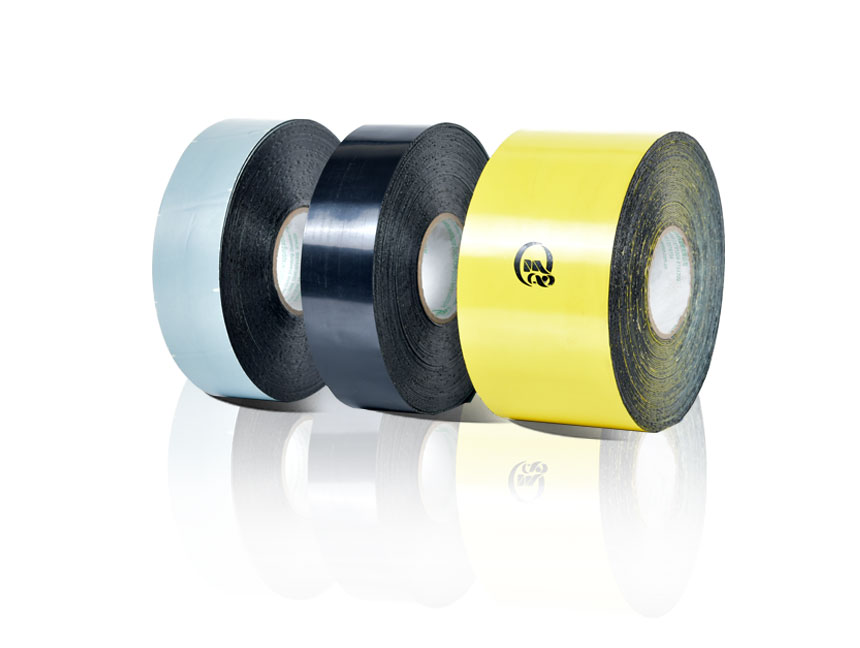
The construction temperature of polyethylene adhesive tape needs to be determined comprehensively based on the tape type, adhesive layer characteristics, and environmental conditions. It is usually divided into two core indicators: substrate tolerance temperature and construction environment temperature. The construction temperature range is usually -30 ℃ to 70 ℃, and in some scenarios, it is recommended to use a construction temperature of -5 ℃ to 50 ℃. The unwinding temperature should be higher than 5 ℃. After the primer surface dries, construction can ensure the bonding effect. The specific range and precautions are as follows:
The adhesive layer of polyethylene cold wrapped tape (such as butyl rubber and asphalt modified adhesive) is significantly affected by temperature, and the construction environment temperature directly determines the bonding effect between the tape and the surface of the pipeline
Conventional construction temperature: 5 ℃~40 ℃. Within this temperature range, the adhesive layer of the adhesive is in a stable state and can effectively adhere to the surface of the pre treated (rust removed, dried) pipeline, ensuring no hollowing or curling after winding.
Low temperature construction (below 5 ℃): During construction in a low temperature environment, the initial adhesion and cohesion of the tape may decrease. If the ambient temperature is below 5 ℃, the tape may become difficult to unwind due to hardening, and lifting, transportation, and laying processes need to be suspended at this time. Preheat the tape in an environment of 20 ℃~30 ℃ for 2-4 hours in advance to restore the activity of the adhesive layer; Alternatively, use a hot air gun or infrared heater to heat the surface of the pipeline to 15 ℃~25 ℃ (to avoid exceeding the upper temperature limit of the adhesive layer), in order to enhance the wettability of the adhesive layer.
High temperature construction (above 40 ℃): During construction in a high temperature environment, the tape may soften and become easily stretched and deformed, causing the adhesive layer to soften and flow, resulting in a decrease in bonding strength at the joint. It is necessary to avoid construction under direct sunlight at noon and choose the morning and evening periods; Reduce the tape stretching rate during construction (controlled within 5%) to prevent the adhesive layer from extruding.
Butyl rubber adhesive: It has good weather resistance and is suitable for construction temperatures ranging from -5 ℃ to 50 ℃. Its performance is better than modified asphalt adhesive in low temperature environments.
Butyl rubber modified asphalt adhesive: Due to its asphalt content, it is prone to brittleness when cold, and is usually required to be used at a temperature of not less than 0 ℃. Its low-temperature adaptability is relatively weak.
High temperature environment: When the temperature exceeds 60 ℃, the adhesive of the tape may soften, leading to a decrease in adhesive strength or even detachment. At this point, high-temperature resistant tape should be selected, which is designed to withstand higher temperatures and maintain stable performance.
Low temperature environment: When construction is carried out below -10 ℃, tape specifically designed for low temperatures should be selected. These products can maintain flexibility and adhesion at low temperatures by adjusting the adhesive formula.
Get Your Custom Tape Solution?