Common Causes of Pipeline Corrosion and How Tape Prevents Them
2026/06/10
Pipelines are the backbone of industries such as oil & gas, municipal water, wastewater treatment, chemical processing, and power generation. However, one persistent challenge threatens the reliability and lifespan of these critical assets: corrosion.
Pipeline corrosion causes billions of dollars in damage every year through leaks, production downtime, environmental incidents, and costly repairs. Understanding the causes of pipeline corrosion is essential for implementing effective protection strategies and extending pipeline service life.
In this guide, we'll examine the most common causes of pipeline corrosion, explore proven corrosion protection methods, and explain why anti corrosion tape remains one of the most effective solutions for long-term pipeline corrosion prevention.
What Is Pipeline Corrosion?
Pipeline corrosion is the gradual deterioration of metal caused by chemical or electrochemical reactions between the pipe surface and its surrounding environment.
When steel pipelines are exposed to moisture, oxygen, salts, chemicals, or electrical currents, corrosion cells can form and begin attacking the metal. Over time, this process reduces wall thickness, weakens structural integrity, and increases the likelihood of leaks or failures.
Corrosion can occur externally on buried or exposed pipelines and internally within pipelines transporting water, chemicals, or hydrocarbons.
What are the Primary Causes of Pipeline Corrosion?
Corrosion is essentially an electrochemical oxidation process that occurs when metal reacts with its surrounding environment. Several factors accelerate this degradation:
Moisture and Oxygen: Water and oxygen are the primary drivers of rust formation. When exposed to these elements, steel undergoes oxidation, which is the most fundamental cause of metal degradation.
Soil Conditions: Buried pipelines are frequently exposed to soil chemicals, varying pH levels, and electrolytes—such as chlorides and sulfates—that can aggressively accelerate electrochemical reactions.
Stray Electrical Currents: External electrical currents flowing through a pipeline system from sources like power lines or railway systems can cause rapid metal loss at discharge points.
Microbiologically Influenced Corrosion (MIC): Certain bacteria produce corrosive byproducts like hydrogen sulfide and organic acids, often developing beneath deposits where they are difficult to detect.
Chemical Exposure: Industrial pipelines transporting acids, alkalis, or solvents are susceptible to chemical corrosion if protective coatings are compromised.
Mechanical Damage: Physical damage during backfilling, abrasion, or soil movement creates direct exposure points where corrosion can begin.
Why Pipeline Corrosion Prevention Matters
Effective pipeline corrosion prevention delivers significant operational and financial benefits:
Extends asset service life
Reduces maintenance expenses
Minimizes unexpected failures
Improves operational reliability
Supports environmental compliance
Enhances worker and public safety
For pipeline operators, proactive corrosion management is substantially less expensive than repairing damaged infrastructure.
Common Corrosion Protection Methods
Several proven corrosion protection methods are used throughout the pipeline industry.
Protective Coatings: Liquid-applied and factory-applied coatings such as epoxy, polyurethane, and Fusion Bonded Epoxy (FBE) provide durable protection against moisture and chemicals.
Cathodic Protection: Cathodic protection systems use electrical currents or sacrificial anodes to reduce electrochemical corrosion on buried pipelines.
Corrosion Inhibitors: Chemical inhibitors are commonly used to reduce internal corrosion in pipelines transporting water, chemicals, or hydrocarbons.
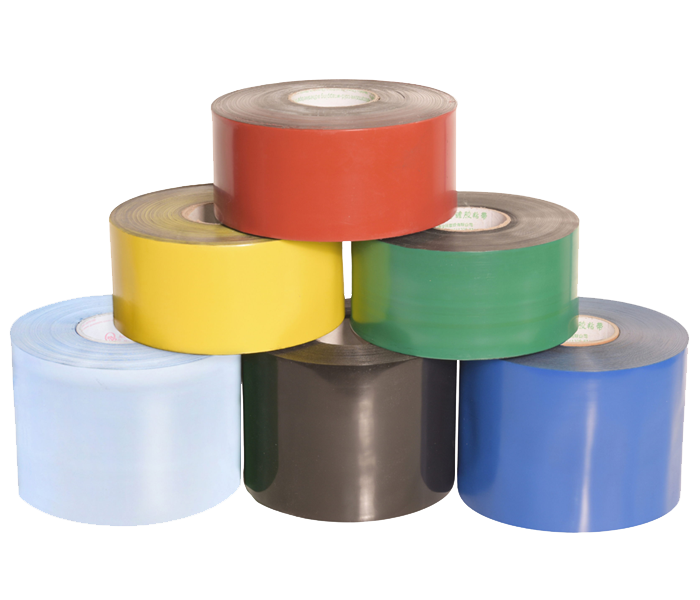
Anti Corrosion Tape: Anti corrosion tape is one of the most widely used external protection solutions for field joints, repairs, fittings, and buried pipelines.
Key Benefits of Anti-Corrosion Tape
While various corrosion protection methods exist, wrapping assets in specialized anti-corrosion tape is a highly effective, versatile solution. It provides a physical and chemical barrier that stops the corrosion process before it can start. There are distinct anti corrosion tape benefits that make it a preferred choice for both field repairs and new installations:
Impermeable Barrier Protection: The tape acts as a thick, durable shield that blocks water, oxygen, and salt from contacting the metal surface, significantly reducing rust formation.
Adhesive Sealing: High-performance adhesives, such as butyl rubber or petrolatum, conform to weld seams, joints, and irregular shapes to prevent moisture ingress in vulnerable areas.
Dielectric Insulation: Because corrosion is often an electrochemical process, the tape provides essential electrical insulation that helps reduce corrosion caused by stray electrical currents.
Mechanical Protection: PE and PVC-backed tapes protect against soil stress, abrasion, impact damage, and backfill pressure, maintaining the system's integrity.
Immediate Application: Unlike liquid coatings that require long drying or curing times, tape provides instant protection, allowing for immediate backfilling of trenches.
Uniform Consistency: Tape ensures a consistent, uniform protective layer across the entire surface, preventing the thin spots or "pinholes" common with liquid coatings.
Easy Maintenance and Repair: Damaged sections can often be repaired by rewrapping affected areas without extensive downtime.
Cost-Effective Corrosion Control: Lower installation costs and reduced maintenance requirements help improve long-term asset economics.
Its versatility makes it suitable for both new construction and maintenance projects.
Conclusion
Understanding the causes of pipeline corrosion is essential for protecting critical infrastructure and reducing lifecycle costs. Moisture, oxygen, soil chemistry, stray currents, microorganisms, chemicals, and mechanical damage all contribute to corrosion-related failures.
While multiple corrosion protection methods are available, anti corrosion tape remains one of the most practical and effective solutions for pipeline corrosion prevention. By providing a durable barrier against moisture, chemicals, and electrical influences, it helps extend service life, improve reliability, and reduce maintenance expenses.
Looking for dependable corrosion protection solutions for your pipeline projects? Quanmin Plastic supplies high-performance anti corrosion tape systems designed for long-term durability in oil & gas, municipal water, and industrial applications.
Contact Quanmin Plastic today to learn how our professional-grade anti corrosion tape solutions can help safeguard your pipeline infrastructure for years to come.