
Corrosion is the "silent enemy" of industrial infrastructure, causing billions of dollars in damage annually by weakening pipelines and metal structures. When it comes to protecting these critical assets, the choice often comes down to three main options: industrial paint, specialized liquid coatings, or protective tape systems. Each method offers distinct advantages depending on the application, environment, and performance requirements.
Understanding the differences in anti corrosion tape vs paint is essential for selecting the most reliable and cost-effective solution for your project. This guide compares these methods to help you decide which is best for your specific needs.
Corrosion is a major cause of failure in pipelines, steel structures, and industrial equipment. Exposure to moisture, oxygen, chemicals, and soil conditions accelerates metal degradation, leading to:
Selecting the right protection method is critical to long-term performance and cost efficiency.
Anti corrosion tape is a specialized wrapping material that creates an impermeable seal around pipes, valves, and fittings. It is widely used for pipelines, field joints, and underground infrastructure. It is widely used in industries like oil and gas, waterworks, and marine environments.
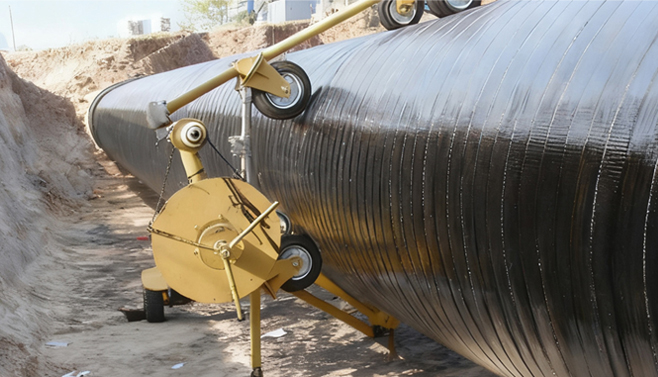
Paint systems include primers and topcoats applied as liquid layers. These systems work by creating a thin film that chemically bonds to the metal surface to block moisture and oxygen.They are commonly used for above-ground structures and equipment.
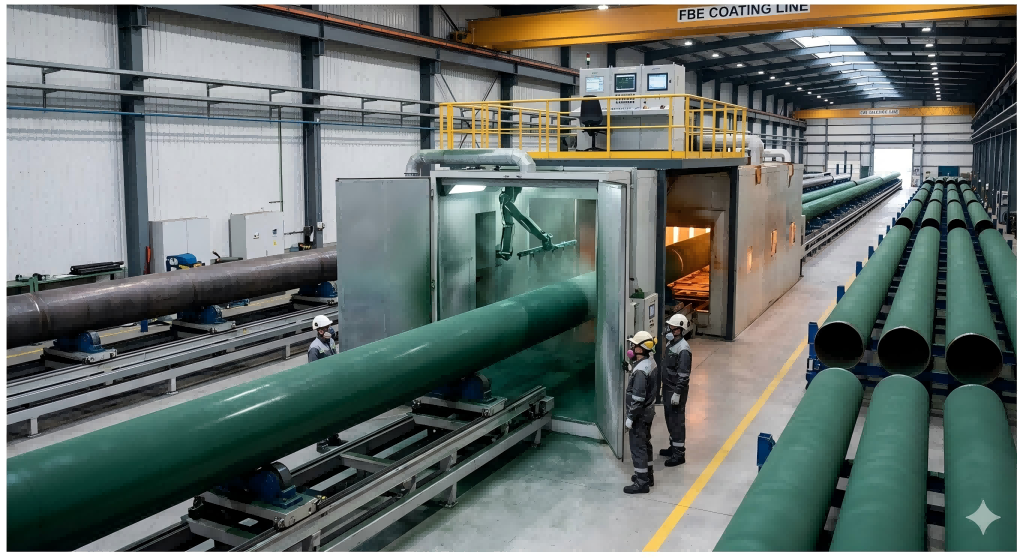
Coatings include advanced systems such as epoxy, polyurethane, and fusion-bonded epoxy (FBE). These provide high-performance corrosion protection for specific environments.
|
Feature |
Anti Corrosion Tape |
Paint Systems |
Industrial Coatings |
|
Application Method |
Wrap-around installation |
Brush, roller, or spray application |
Spray or factory-applied systems |
|
Drying/Curing Time |
None |
Required |
Usually required |
|
Field Application |
Excellent |
Moderate |
Complex |
|
Underground Use |
Excellent |
Limited |
Good |
|
Joint & Fitting Protection |
Excellent |
Moderate |
Moderate |
|
Moisture Resistance |
High |
Moderate |
High |
|
Repair & Maintenance |
Easy rewrapping |
Requires recoating |
More complex repairs |
|
Equipment Required |
Minimal |
Moderate |
Specialized equipment |
|
Best Use |
Pipelines, field joints, repairs |
Above-ground structures |
High-performance industrial systems |
1. Application Method
Winner: Tape for ease and speed.
Winner: Tape for consistent barrier protection.
Winner: Tape for field and pipeline applications.
Winner: Tape for maintenance efficiency.
When comparing corrosion tape vs coating, the decision depends on performance requirements.
The comparison of pipe coating vs tape is especially important in oil & gas and water infrastructure.
Best Practice: In many projects, coatings are used for mainline pipes, while anti corrosion tape is used for field joints and repairs.
When comparing rust protection tape vs paint, cost-effectiveness is a key factor.
Conclusion: Tape often provides better total lifecycle value, especially in field applications.
There is no one-size-fits-all answer to anti corrosion tape vs paint or coating systems. Each solution serves a specific purpose.
For pipelines and field applications, anti corrosion tape stands out as a practical, efficient, and reliable solution. Paint and advanced coatings remain valuable for controlled environments and specialized requirements.
Looking for a reliable solution for pipeline protection? Quanmin Plastic offers high-quality anti corrosion tape systems designed for durability, ease of application, and long-term performance. Contact Quanmin Plastic today to find the best corrosion protection solution for your project.
Get Your Custom Tape Solution?